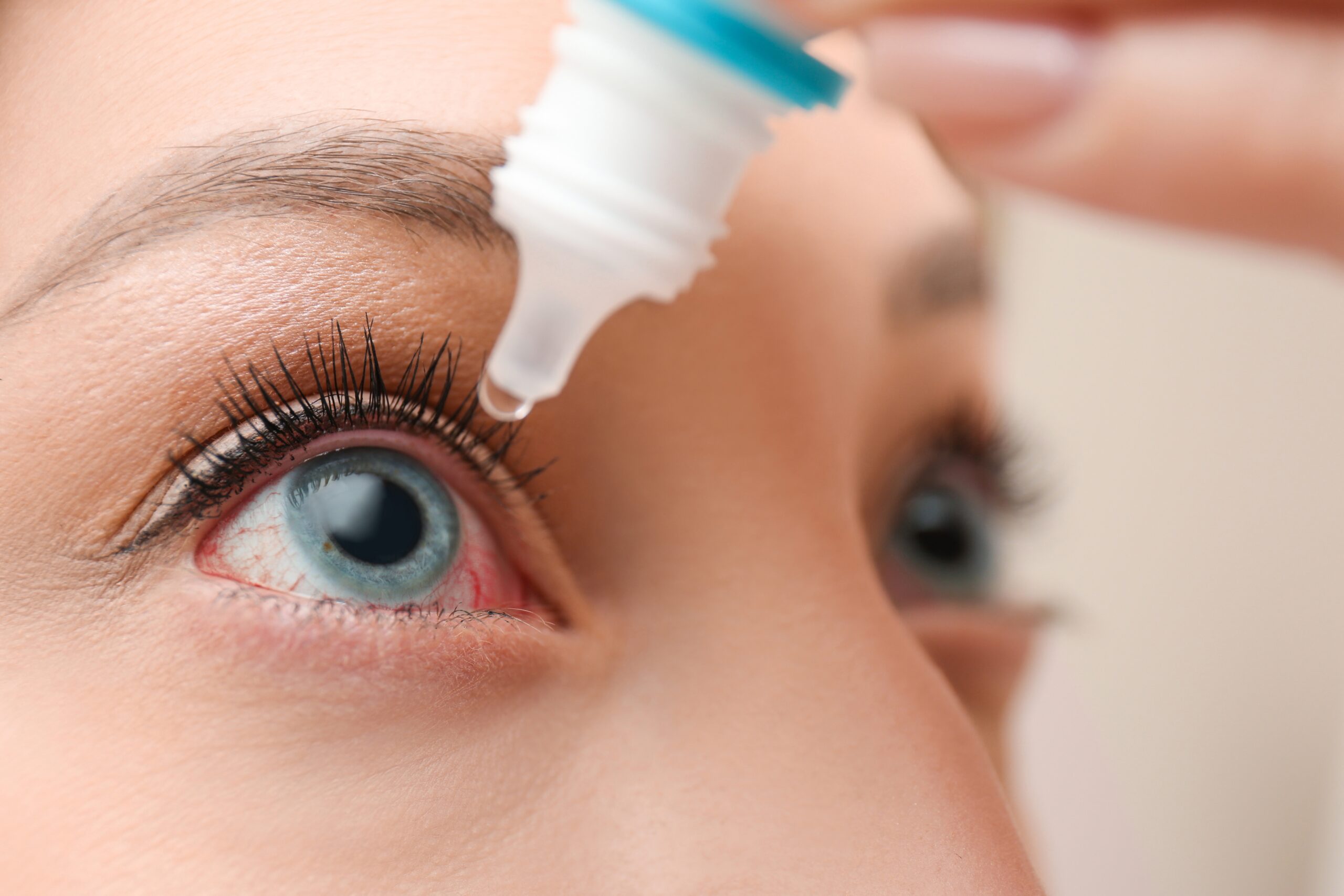
As the temperature drops, many people notice their eyes becoming dry, irritated or watery. While dry eyes are often associated with hot weather, winter can actually be one of the most common times for symptoms to flare up. Cold outdoor air, indoor heating and increased screen time can all contribute to discomfort and irritation.
At Shire Optometrists, we regularly see an increase in dry eye symptoms throughout winter and understand how frustrating it can be when everyday activities like reading, driving or using a computer become uncomfortable.
Why Are Dry Eyes Worse in Winter?
Dry eye occurs when your eyes either don’t produce enough tears or the tears evaporate too quickly. During winter, several environmental factors can make this worse.
- Cold, Dry Air: Winter air naturally contains less humidity, which can cause tears to evaporate more quickly from the eye’s surface. Windy conditions can also irritate the eyes and increase dryness.
- Indoor Heating: While heaters keep us warm, they also dry out the air indoors. Spending long periods in heated environments at home, in the office or in the car can leave your eyes feeling gritty, sore or tired.
- Increased Screen Time: Winter often means spending more time indoors watching TV, working on computers or scrolling on phone. When using digital devices, we blink less frequently, which prevents the tear film from properly refreshing across the eye.
Common Symptoms of Dry Eye
Dry eye symptoms can vary from person to person, but common signs include:
- A gritty or sandy feeling in the eyes
- Burning or stinging sensations
- Redness
- Excessive watering
- Blurred or fluctuating vision
- Sensitivity to light
- Eye fatigue
- Difficulty wearing contact lenses
In some cases, dry eyes can even cause watery eyes. This happens when the eyes overproduce reflex tears in response to irritation and dryness.
Tips to Help Manage Dry Eyes This Winter
The good news is there are several simple ways to reduce symptoms and keep your eyes more comfortable during the colder months.
- Use Artificial Tears: Preservative-free lubricating eye drops can help keep the eyes hydrated and reduce irritation throughout the day.
- Add Moisture to the Air: Using a humidifier at home or in the office can help counteract the drying effects of heaters and air conditioning.
- Follow the 20-20-20 Rule: If you spend long hours on screens, remember to take regular breaks. Every 20 minutes, look at something 20 feet away for 20 seconds to help reduce eye strain and encourage blinking.
- Stay Hydrated: Even in winter, staying hydrated is important for maintaining healthy tear production. Drinking enough water throughout the day can help support eye comfort.
- Wear Sunglasses Outdoors: Wraparound sunglasses can help protect your eyes from cold winds and reduce tear evaporation while outdoors.
- Warm Compresses and Eyelid Hygiene: Applying a warm compress to the eyelids can help improve oil gland function and support a healthier tear film.
When Should You See an Optometrist?
Occasional dryness can often be managed with simple lifestyle changes, but persistent symptoms should not be ignored. Untreated dry eyes can affect your vision, impact daily comfort and, in severe cases, damage the surface of the eye.
If you are regularly experiencing dry, irritated or watery eyes this winter, the team at Shire Optometrists can help. We provide comprehensive dry eye assessments and personalised treatment options to help keep your eyes comfortable and healthy throughout the season.
Book an appointment with our team today and give your eyes the care they deserve this winter.